AI Can’t Cook
Date published: 12 December 2025 Updated: 19 December 2025
At Optima, our teams are utilising AI to help us with all sorts of things. We are developing workflows with selective generative AI tools that help us dissect, research, plan, automate and streamline project management, writing, coding SEO and image generation.
A big part of our work is with food producers and supermarkets on fixture design, packaging concepts and brand storytelling. These projects often require images of plated food, for example, for the front of packs. Whether it’s raw ingredients or a ready meal, people want to see what the finished dish looks like, beautifully cooked, plated, and placed in a lifestyle setting.
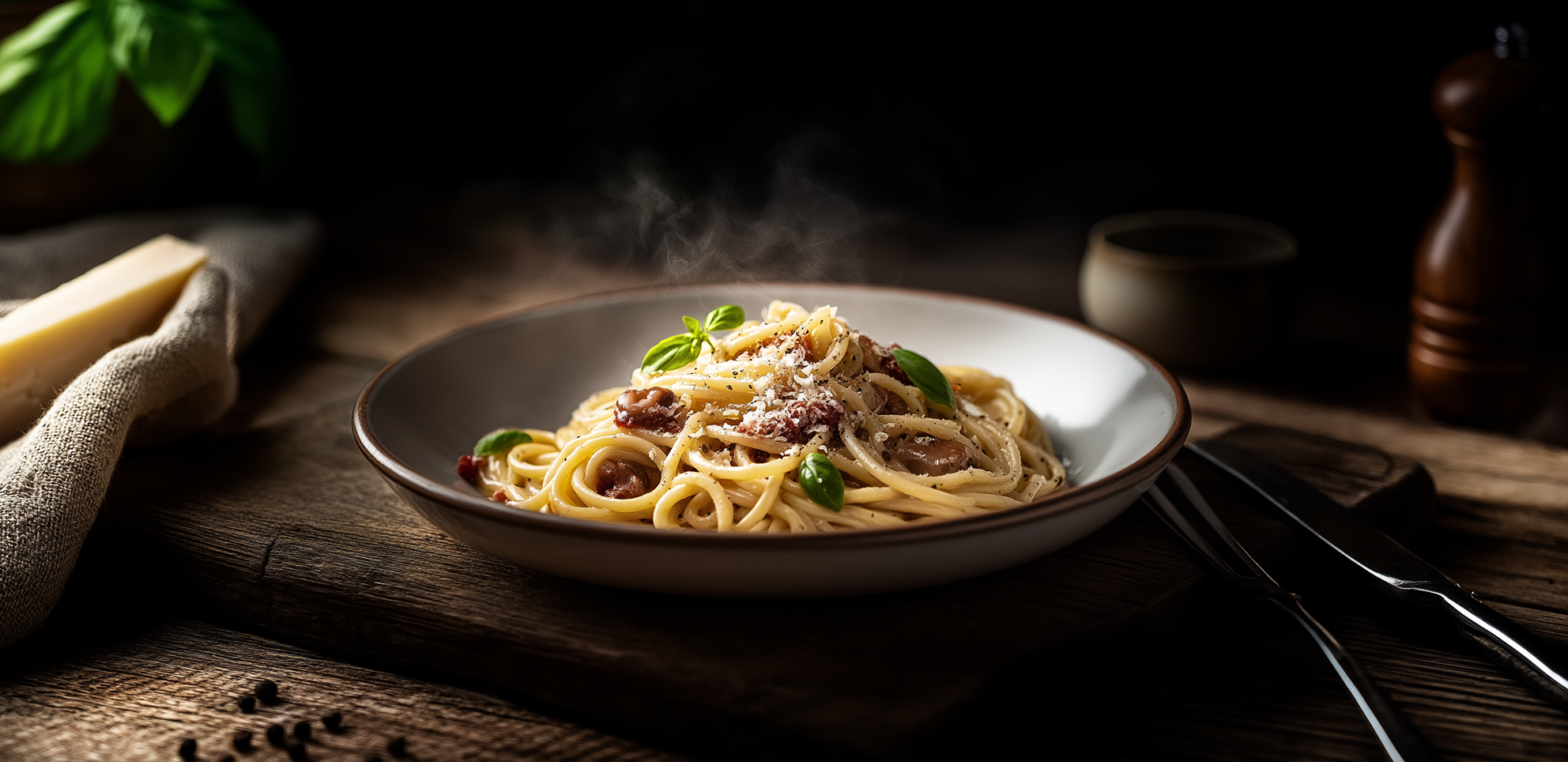
AI is incredible at this. If we ask for a steaming carbonara in a deep porcelain bowl, garnished with basil on a rustic wooden table with matt silver cutlery, it will give me exactly that in seconds. And it will look great, perfect lighting, perfect composition, perfect ‘food’.
But here’s the thing, AI can make the food… it just can’t cook it.
Earlier this year a client invited Optima to take part in a food consumer testing workshop. Our aim was to understand real people, real behaviour and real motivations. We spent time watching how they shop and how they cook, and we listened carefully to why they make the choices they do.
One of the families we met were using AI in a surprisingly inventive way to plan their weekly meals. They went shopping with no plan other than getting as much as possible on their tight budget, so they picked up whatever was on offer, whatever was reduced and any multipack offers that made sense. Once they were home, they fed all the ingredients and their use by dates into Chat GPT for it to generate their weekly meal plan. This saved them money and it also reduced time and stress for the whole family.
But here is the thing, the AI wasn’t in their kitchen. It wasn’t tasting anything. It wasn’t adjusting on the fly when the sauce was too sharp or when the pasta needed another minute or when the teenager announced, at the worst possible moment, that they suddenly didn’t like mushrooms!!
AI can tell you what ingredients go together. It can create a photorealistic image of the dish with steam rising off it. It can even adjust the recipe for gluten free, vegan or high protein. But there is a certain je ne sais quoi to cooking that AI cannot replicate. Cooking is alchemy. It is creativity. It is judgement in real time.
It is noticing halfway through cooking that something is off and thinking, boldly and illogically, that a spoonful of mango chutney might save it. It is a last minute squeeze of lemon that you forgot you had. It is turning a mistake into a miracle. It is chaos that somehow makes perfect sense on a plate.
- AI doesn’t do chaos.
- AI doesn’t do instinct.
- AI doesn’t do a ‘that will never work but let’s try it anyway, just for the hell of it’ moment.
This is the bigger point, what you get from AI is the amalgamation of millions of data points. It gives you the median result. The sensible answer. The expected outcome. The absolute average.
People, however, are not median.
Some of my best friends can be mardy one minute and brilliant the next. Some of the best conversations I’ve ever had make absolutely no sense and yet I walked away feeling energised, challenged and inspired. Humans are weird, inconsistent, funny, emotional, flawed, brilliant and absolutely impossible to calculate whereas AI is helpful, accurate, positive and consistent. Sometimes too consistent, and definitely too bloody positive.
I often talk to my AI while I am driving (I’ve named it Jarvis) I ask it to jot down notes, make lists, look up facts or help me shape an idea. I used it to brainstorm ideas for this blog. Sometimes I even just chat to it, but the conversation is always sensible, always polite, always positive and never surprising. It is essentially a sycophant, so it never tells me I’m being a bit of a dick when I probably need to hear it. It never rants, never gets wound up, never goes off on one in a way that somehow becomes the heart of a great conversation.
It sounds real but it doesn’t feel real.
- There is no connection.
- There is no shared experience.
- There is no spark.
- AI cannot feel a conversation.
- And AI cannot feel a recipe.
- Which is exactly why AI cannot cook.

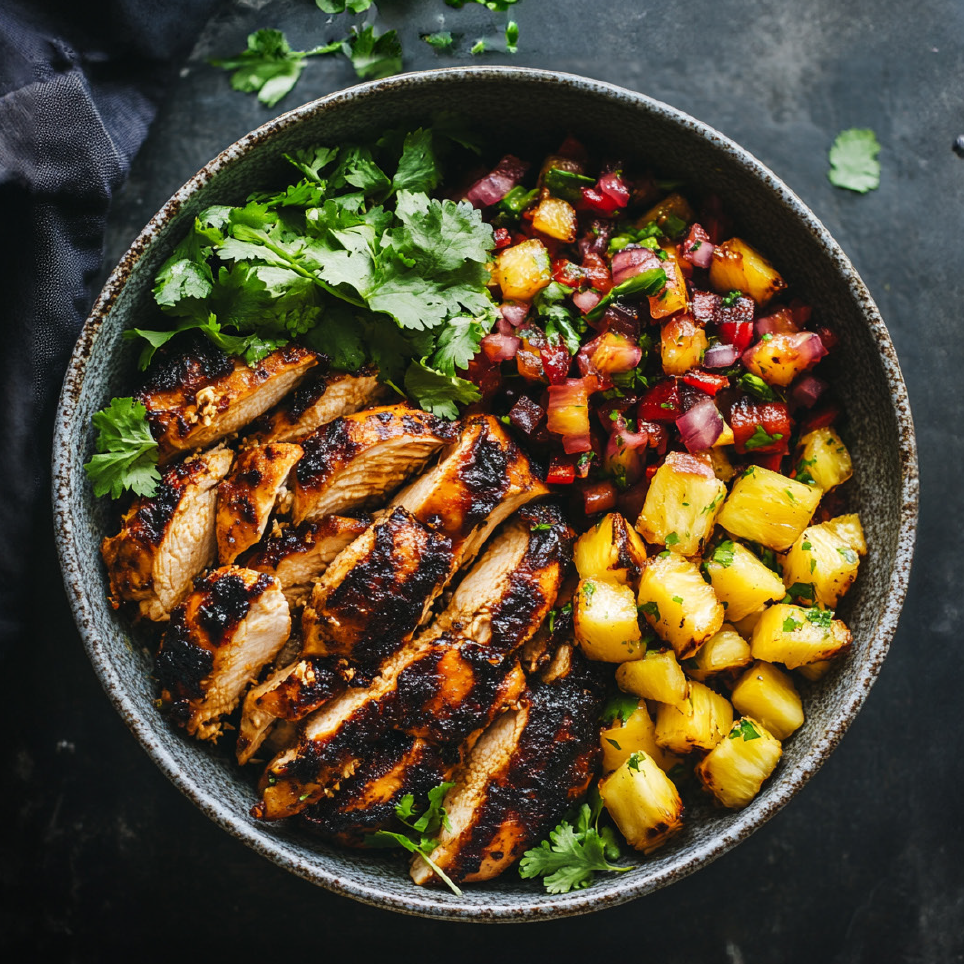
This is not a story about AI being bad. It is a story about roles evolving. It is a story about the value of human judgement, human connection and about why design agencies (and chefs!) should not be afraid of AI.
Yes, AI is changing the job landscape. It is changing roles, automating tasks and some jobs in some industries will shift or even disappear. That is something society will have to navigate carefully, especially when governments rely on taxes from the human workforce to fund public services and keep society running. My boss asked me to point out that AI does not pay tax. That creates real economic questions that we, collectively, will need to answer.
But in the creative world, AI is not here to take over. It is here to expand what is possible. It gives us more time for the parts that matter by speeding up the repetitive bits. It helps us explore more ideas before committing to a concept and it acts as a sounding board.
At Optima we know this because we use AI. Carefully. Creatively. And always with intent. We see it as a tool that helps us get further, faster. It helps us test ideas more quickly and explore a wider range of possibilities. But AI is always the start and never the end. It is the human team that decides, judges, feels and creates. And in the end, our design work will always be judged by humans.
AI can produce a dish.
Humans create the meal.
And that is why AI cannot cook.